Description
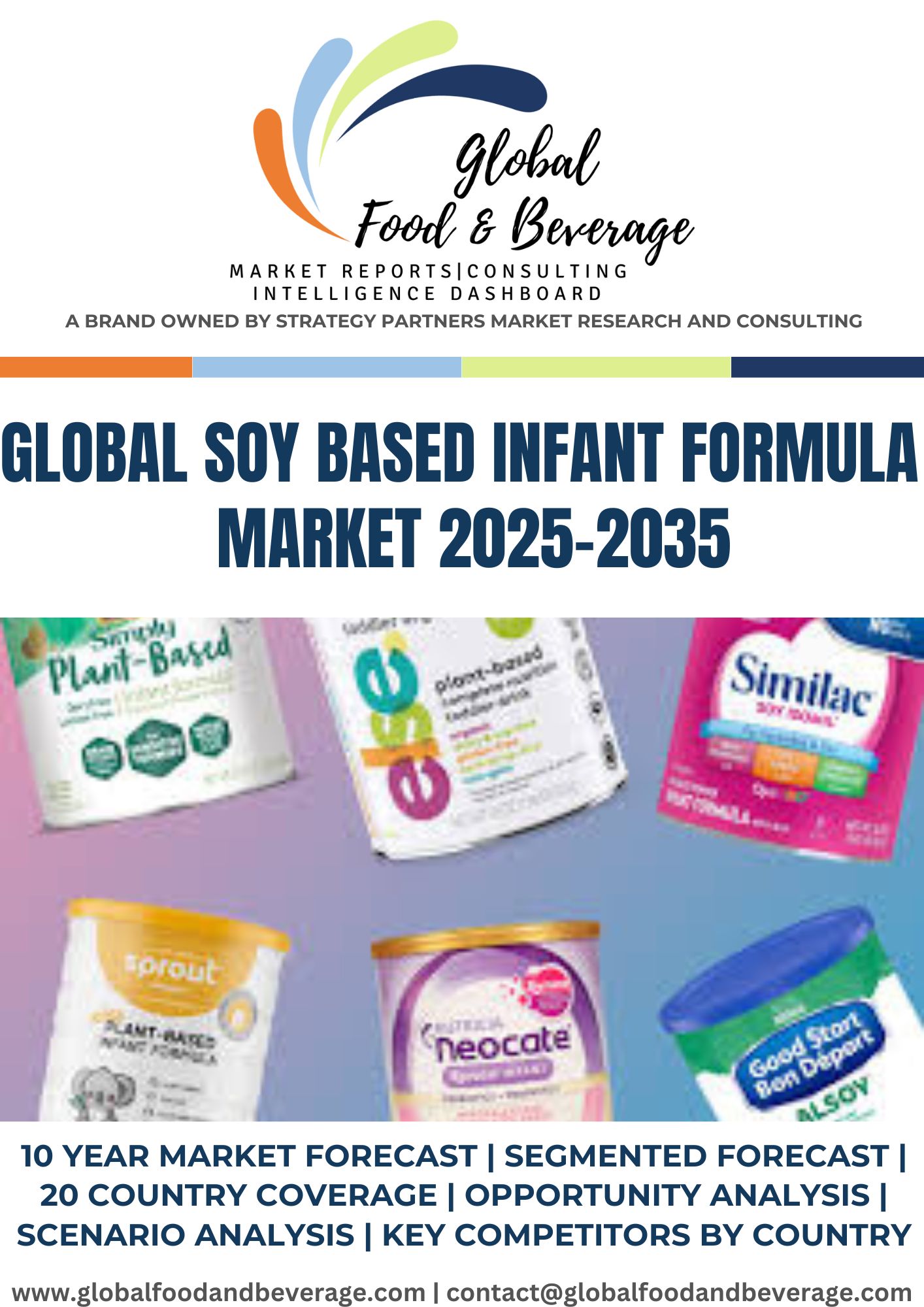
Soy based Infant Formula plays a crucial role in infant nutrition worldwide, particularly for families seeking alternatives to cow’s milk-based formulas. This plant-based formula is designed to meet the complete dietary needs of infants during their first year of life and is often chosen for medical, ethical, cultural, or economic reasons. With increasing global attention to food allergies, lactose intolerance, and plant-based lifestyles, soy-based infant formula has garnered broader relevance beyond niche markets. It serves as both a necessity and a preference for millions of families around the world.
The origin of soy-based infant formulas dates back to the early 20th century, but it was not until the latter half of the century that they became widely commercialized. Initially developed as an option for infants who could not tolerate cow’s milk, these formulas have since evolved to contain improved nutritional profiles that more closely mimic human breast milk. Today’s soy-based formulas use soy protein isolates—highly refined proteins stripped of most of the carbohydrates and fats found in whole soybeans—and are fortified with essential nutrients, including methionine (an amino acid), calcium, vitamin D, and iron, to support healthy infant development.
Soy formula is lactose-free by nature, which makes it suitable for infants with congenital lactose intolerance or galactosemia. In some regions, where cow’s milk allergy or intolerance is more common, soy formula provides a readily available solution. For example, in parts of East and Southeast Asia, where lactose intolerance rates can exceed 90% among adults and are more likely to be inherited by infants, plant-based formulas are more culturally accepted. However, it is important to distinguish between lactose intolerance and cow’s milk protein allergy; in the latter case, soy formula may not always be suitable, as up to 10–14% of infants allergic to cow’s milk protein may also react to soy proteins.
Despite its benefits, soy formula is not without controversy. One of the key concerns relates to phytoestrogens—plant-derived compounds in soy, particularly isoflavones, which can mimic estrogen in the body. These compounds have raised questions about the potential long-term effects on reproductive development, immune function, and thyroid health. While most regulatory bodies, including the American Academy of Pediatrics (AAP) and the European Food Safety Authority (EFSA), agree that soy formula is safe for healthy, full-term infants when used appropriately, they often recommend it be used under medical guidance, especially in infants with special nutritional needs.
The global market for soy-based infant formula reflects varying levels of demand. In the United States, soy formula represents approximately 12–13% of all infant formula sales. In contrast, in countries like China, the demand for soy formula remains limited but growing, driven by increasing awareness of plant-based diets and concerns over dairy safety following past scandals. In Latin America and Africa, soy-based products are often promoted not just for individual health, but as part of broader food security strategies. Soy, being relatively inexpensive and easy to cultivate, offers a cost-effective protein source in regions where animal-based protein may be less accessible.
In developing nations, soy-based formula has also been used in humanitarian and relief efforts. When breastfeeding is not possible—due to maternal death, illness, or separation during conflict—formulas become essential. Soy-based products are sometimes preferred due to their longer shelf life and resistance to spoilage in warmer climates. However, reliance on formula feeding in such settings carries risks, especially where clean water and sanitation are limited. Improper preparation, dilution, or storage of formula can lead to malnutrition or infection, emphasizing the need for proper education and support for caregivers.
In more affluent countries, soy-based formulas are often marketed alongside organic, non-GMO, or allergy-friendly labels. The plant-based movement, driven by ethical and environmental concerns, has encouraged some families to choose soy formula even in the absence of medical need. Vegan parents, for instance, may prefer soy formula as the only option that aligns with their values, especially when breastfeeding is not feasible. In response to this growing demand, manufacturers have expanded their product lines to include soy options with enhanced nutrient profiles, such as added omega-3 fatty acids and probiotics.
Scientific research on soy-based infant formula continues to evolve. While earlier studies raised theoretical concerns about hormonal impacts, more recent longitudinal studies have not found conclusive evidence of adverse effects on growth, sexual development, or cognitive performance in children who were fed soy formula as infants. Nonetheless, medical professionals often recommend hydrolyzed protein formulas—where proteins are broken down into smaller peptides—for infants with severe allergies or digestive issues, reserving soy formula for cases where these are not tolerated or available.
The production of soy-based infant formula involves several stages, including extraction, refining, fortification, and quality control. Manufacturers must adhere to stringent international standards to ensure safety, particularly for vulnerable populations like infants. Regulatory frameworks vary by country, but most follow Codex Alimentarius guidelines or those set by local health authorities. These standards govern everything from ingredient sourcing and nutritional content to labeling and marketing practices. In recent years, attention has turned toward sustainability in formula production, and soy-based formulas are sometimes promoted as a more environmentally friendly alternative to dairy-based ones, owing to the lower greenhouse gas emissions and land use associated with soy cultivation.
Global trade also influences the accessibility and cost of soy formula. Supply chain disruptions, such as those caused by pandemics or geopolitical tensions, can impact the availability of imported formulas. In response, some countries have invested in domestic production capacity or sought alternative plant-based proteins like rice, almond, or pea protein for local formulas. Still, soy remains the most researched and widely used plant protein for infant formula, with decades of safety data and consumer familiarity supporting its use.
Consumer education is a key aspect of soy formula usage. Parents and caregivers need clear guidance on when and how to use soy-based products, including how to prepare them safely and how to recognize signs of intolerance or allergy. Pediatricians play a critical role in evaluating each infant’s individual needs and recommending the most appropriate feeding option. In regions with high literacy and healthcare access, parents are more likely to receive personalized advice. In lower-income areas, community health workers and NGOs often step in to fill the gap, providing both nutritional counseling and formula distribution.
As the global population grows and diversifies, the demand for varied infant nutrition solutions—including soy-based formulas—is expected to increase. Demographic shifts, rising food allergies, and the globalization of health trends will continue to shape this market. At the same time, ongoing research, regulation, and innovation will be essential to ensure that soy-based infant formula remains a safe, effective, and equitable option for families around the world.
Table of Content
1 Market Introduction- Global Soy based Infant Formula Market
1.1 Market Segmentation- Global Soy based Infant Formula Market
1.2 Key Trends- Global Soy based Infant Formula Market
1.2.1 Drivers
1.2.2 Restraints
1.2.3 Type
2 Global Market Forecast- Global Soy based Infant Formula Market
1. By Region
2. By Type
3. By Application
3 Country Wise Forecast- Global Soy based Infant Formula Market
3.1 US
3.1.1 Key Trends
3.1.2 Consumer Spending
o Population
o GDP
o CPI
o Spend per Capita
o Spend as a proportion of GDP
3.1.3 Market Forecast- US Soy based Infant Formula Market
1.By Type
2.By Application
3.1.4 Key Competitors- US Soy based Infant Formula Market
3.1.5 EXIM
3.1.6 Patents
3.1.7 Scenario Analysis- US Soy based Infant Formula Market
3.1.8 Opportunity Analysis- US Soy based Infant Formula Market
3.2 Canada
3.2.1 Key Trends
3.2.2 Consumer Spending
o Population
o GDP
o CPI
o Spend per Capita
o Spend as a proportion of GDP
3.2.3 Market Forecast- Canada Soy based Infant Formula Market
1.By Type
2.By Application
3.2.4 Key Competitors- Canada Soy based Infant Formula Market
3.2.5 EXIM
3.2.6 Patents
3.2.7 Scenario Analysis- Canada Soy based Infant Formula Market
3.2.8 Opportunity Analysis- Canada Soy based Infant Formula Market
3.3 UK
3.3.1 Key Trends
3.3.2 Consumer Spending
o Population
o GDP
o CPI
o Spend per Capita
o Spend as a proportion of GDP
3.3.3 Market Forecast- UK Soy based Infant Formula Market
1.By Type
2.By Application
3.3.4 Key Competitors- UK Soy based Infant Formula Market
3.3.5 EXIM
3.3.6 Patents
3.3.7 Scenario Analysis- UK Soy based Infant Formula Market
3.3.8 Opportunity Analysis- UK Soy based Infant Formula Market
3.4 Germany
3.4.1 Key Trends
3.4.2 Consumer Spending
o Population
o GDP
o CPI
o Spend per Capita
o Spend as a proportion of GDP
3.4.3 Market Forecast- Germany Soy based Infant Formula Market
1.By Type
2.By Application
3.4.4 Key Competitors- Germany Soy based Infant Formula Market
3.4.5 EXIM
3.4.6 Patents
3.4.7 Scenario Analysis- Germany Soy based Infant Formula Market
3.4.8 Opportunity Analysis- Germany Soy based Infant Formula Market
3.5 France
3.5.1 Key Trends
3.5.2 Consumer Spending
o Population
o GDP
o CPI
o Spend per Capita
o Spend as a proportion of GDP
3.5.3 Market Forecast- France Soy based Infant Formula Market
1.By Type
2.By Application
3.5.4 Key Competitors- France Soy based Infant Formula Market
3.5.5 EXIM
3.5.6 Patents
3.5.7 Scenario Analysis- France Soy based Infant Formula Market
3.5.8 Opportunity Analysis- France Soy based Infant Formula Market
3.6 Italy
3.6.1 Key Trends
3.6.2 Consumer Spending
o Population
o GDP
o CPI
o Spend per Capita
o Spend as a proportion of GDP
3.6.3 Market Forecast- Italy Soy based Infant Formula Market
1.By Type
2.By Application
3.6.4 Key Competitors- Italy Soy based Infant Formula Market
3.6.5 EXIM
3.6.6 Patents
3.6.7 Scenario Analysis- Italy Soy based Infant Formula Market
3.6.8 Opportunity Analysis- Italy Soy based Infant Formula Market
3.7 Ireland
3.7.1 Key Trends
3.7.2 Consumer Spending
o Population
o GDP
o CPI
o Spend per Capita
o Spend as a proportion of GDP
3.7.3 Market Forecast- Ireland Soy based Infant Formula Market
1.By Type
2.By Application
3.7.4 Key Competitors- Ireland Soy based Infant Formula Market
3.7.5 EXIM
3.7.6 Patents
3.7.7 Scenario Analysis- Ireland Soy based Infant Formula Market
3.7.8 Opportunity Analysis- Ireland Soy based Infant Formula Market
3.8 Spain
3.8.1 Key Trends
3.8.2 Consumer Spending
o Population
o GDP
o CPI
o Spend per Capita
o Spend as a proportion of GDP
3.8.3 Market Forecast- Spain Soy based Infant Formula Market
1.By Type
2.By Application
3.8.4 Key Competitors- Spain Soy based Infant Formula Market
3.8.5 EXIM
3.8.6 Patents
3.8.7 Scenario Analysis- Spain Soy based Infant Formula Market
3.8.8 Opportunity Analysis- Spain Soy based Infant Formula Market
3.9 Belgium
3.9.1 Key Trends
3.9.2 Consumer Spending
o Population
o GDP
o CPI
o Spend per Capita
o Spend as a proportion of GDP
3.9.3 Market Forecast- Belgium Soy based Infant Formula Market
1.By Type
2.By Application
3.9.4 Key Competitors- Belgium Soy based Infant Formula Market
3.9.5 EXIM
3.9.6 Patents
3.9.7 Scenario Analysis- Belgium Soy based Infant Formula Market
3.9.8 Opportunity Analysis- Belgium Soy based Infant Formula Market
3.10 Switzerland
3.10.1 Key Trends
3.10.2 Consumer Spending
o Population
o GDP
o CPI
o Spend per Capita
o Spend as a proportion of GDP
3.10.3 Market Forecast- Switzerland Soy based Infant Formula Market
1.By Type
2.By Application
3.10.4 Key Competitors- Switzerland Soy based Infant Formula Market
3.10.5 EXIM
3.10.6 Patents
3.10.7 Scenario Analysis- Switzerland Soy based Infant Formula Market
3.10.8 Opportunity Analysis- Switzerland Soy based Infant Formula Market
3.11 Sweden
3.11.1 Key Trends
3.11.2 Consumer Spending
o Population
o GDP
o CPI
o Spend per Capita
o Spend as a proportion of GDP
3.11.3 Market Forecast- Sweden Soy based Infant Formula Market
1.By Type
2.By Application
3.11.4 Key Competitors- Sweden Soy based Infant Formula Market
3.11.5 EXIM
3.11.6 Patents
3.11.7 Scenario Analysis- Sweden Soy based Infant Formula Market
3.11.8 Opportunity Analysis- Sweden Soy based Infant Formula Market
3.12 Portugal
3.12.1 Key Trends
3.12.2 Consumer Spending
o Population
o GDP
o CPI
o Spend per Capita
o Spend as a proportion of GDP
3.12.3 Market Forecast- Portugal Soy based Infant Formula Market
1.By Type
2.By Application
3.12.4 Key Competitors- Portugal Soy based Infant Formula Market
3.12.5 EXIM
3.12.6 Patents
3.12.7 Scenario Analysis- Portugal Soy based Infant Formula Market
3.12.8 Opportunity Analysis- Portugal Soy based Infant Formula Market
3.13 The Netherlands
3.13.1 Key Trends
3.13.2 Consumer Spending
o Population
o GDP
o CPI
o Spend per Capita
o Spend as a proportion of GDP
3.13.3 Market Forecast- Netherlands Soy based Infant Formula Market
1.By Type
2.By Application
3.13.4 Key Competitors- Netherlands Soy based Infant Formula Market
3.13.5 EXIM
3.13.6 Patents
3.13.7 Scenario Analysis- Netherlands Soy based Infant Formula Market
3.13.8 Opportunity Analysis- Netherlands Soy based Infant Formula Market
3.14 Brazil
3.14.1 Key Trends
3.14.2 Consumer Spending
o Population
o GDP
o CPI
o Spend per Capita
o Spend as a proportion of GDP
3.14.3 Market Forecast- Brazil Soy based Infant Formula Market
1.By Type
2.By Application
3.14.4 Key Competitors- Brazil Soy based Infant Formula Market
3.14.5 EXIM
3.14.6 Patents
3.14.7 Scenario Analysis- Brazil Soy based Infant Formula Market
3.14.8 Opportunity Analysis- Brazil Soy based Infant Formula Market
3.15 Mexico
3.15.1 Key Trends
3.15.2 Consumer Spending
o Population
o GDP
o CPI
o Spend per Capita
o Spend as a proportion of GDP
3.15.3 Market Forecast- Mexico Soy based Infant Formula Market
1.By Type
2.By Application
3.15.4 Key Competitors- Mexico Soy based Infant Formula Market
3.15.5 EXIM
3.15.6 Patents
3.15.7 Scenario Analysis- Mexico Soy based Infant Formula Market
3.15.8 Opportunity Analysis- Mexico Soy based Infant Formula Market
3.16 Australia
3.16.1 Key Trends
3.16.2 Consumer Spending
o Population
o GDP
o CPI
o Spend per Capita
o Spend as a proportion of GDP
3.16.3 Market Forecast- Australia Soy based Infant Formula Market
1.By Type
2.By Application
3.16.4 Key Competitors- Australia Soy based Infant Formula Market
3.16.5 EXIM
3.16.6 Patents
3.16.7 Scenario Analysis- Australia Soy based Infant Formula Market
3.16.8 Opportunity Analysis- Australia Soy based Infant Formula Market
3.17 China
3.17.1 Key Trends
3.17.2 Consumer Spending
o Population
o GDP
o CPI
o Spend per Capita
o Spend as a proportion of GDP
3.17.3 Market Forecast- China Soy based Infant Formula Market
1.By Type
2.By Application
3.17.4 Key Competitors- China Soy based Infant Formula Market
3.17.5 EXIM
3.17.6 Patents
3.17.7 Scenario Analysis- China Soy based Infant Formula Market
3.17.8 Opportunity Analysis- China Soy based Infant Formula Market
3.18 Indonesia
3.18.1 Key Trends
3.18.2 Consumer Spending
o Population
o GDP
o CPI
o Spend per Capita
o Spend as a proportion of GDP
3.18.3 Market Forecast- Indonesia Soy based Infant Formula Market
1.By Type
2.By Application
3.18.4 Key Competitors- Indonesia Soy based Infant Formula Market
3.18.5 EXIM
3.18.6 Patents
3.18.7 Scenario Analysis- Indonesia Soy based Infant Formula Market
3.18.8 Opportunity Analysis- Indonesia Soy based Infant Formula Market
3.19 India
3.19.1 Key Trends
3.19.2 Consumer Spending
o Population
o GDP
o CPI
o Spend per Capita
o Spend as a proportion of GDP
3.19.3 Market Forecast- India Soy based Infant Formula Market
1.By Type
2.By Application
3.19.4 Key Competitors- India Soy based Infant Formula Market
3.19.5 EXIM
3.19.6 Patents
3.19.7 Scenario Analysis- India Soy based Infant Formula Market
3.19.8 Opportunity Analysis- India Soy based Infant Formula Market
3.20 Japan
3.20.1 Key Trends
3.20.2 Consumer Spending
o Population
o GDP
o CPI
o Spend per Capita
o Spend as a proportion of GDP
3.20.3 Market Forecast- Japan Soy based Infant Formula Market
1.By Type
2.By Application
3.20.4 Key Competitors- Japan Soy based Infant Formula Market
3.20.5 EXIM
3.20.6 Patents
3.20.7 Scenario Analysis- Japan Soy based Infant Formula Market
3.20.8 Opportunity Analysis- Japan Soy based Infant Formula Market
3.21 South Korea
3.21.1 Key Trends
3.21.2 Consumer Spending
o Population
o GDP
o CPI
o Spend per Capita
o Spend as a proportion of GDP
3.21.3 Market Forecast- South Korea Soy based Infant Formula Market
1.By Type
2.By Application
3.21.4 Key Competitors- South Korea Soy based Infant Formula Market
3.21.5 EXIM
3.21.6 Patents
3.21.7 Scenario Analysis- South Korea Soy based Infant Formula Market
3.21.8 Opportunity Analysis- South Korea Soy based Infant Formula Market
3.22 Thailand
3.22.1 Key Trends
3.22.2 Consumer Spending
o Population
o GDP
o CPI
o Spend per Capita
o Spend as a proportion of GDP
3.22.3 Market Forecast- Thailand Soy based Infant Formula Market
1.By Type
2.By Application
3.22.4 Key Competitors- Thailand Soy based Infant Formula Market
3.22.5 EXIM
3.22.6 Patents
3.22.7 Scenario Analysis- Thailand Soy based Infant Formula Market
3.22.8 Opportunity Analysis- Thailand Soy based Infant Formula Market
3.23 Malaysia
3.23.1 Key Trends
3.23.2 Consumer Spending
o Population
o GDP
o CPI
o Spend per Capita
o Spend as a proportion of GDP
3.23.3 Market Forecast- Malaysia Soy based Infant Formula Market
1.By Type
2.By Application
3.23.4 Key Competitors- Malaysia Soy based Infant Formula Market
3.23.5 EXIM
3.23.6 Patents
3.23.7 Scenario Analysis- Malaysia Soy based Infant Formula Market
3.23.8 Opportunity Analysis- Malaysia Soy based Infant Formula Market
3.24 Singapore
3.24.1 Key Trends
3.24.2 Consumer Spending
o Population
o GDP
o CPI
o Spend per Capita
o Spend as a proportion of GDP
3.24.3 Market Forecast- Singapore Soy based Infant Formula Market
1.By Type
2.By Application
3.24.4 Key Competitors- Singapore Soy based Infant Formula Market
3.24.5 EXIM
3.24.6 Patents
3.24.7 Scenario Analysis- Singapore Soy based Infant Formula Market
3.24.8 Opportunity Analysis- Singapore Soy based Infant Formula Market
4 Opportunity Matrix- Global Soy based Infant Formula Market
5 Conclusions and Recommendations- Global Soy based Infant Formula Market
6 About Global Food & Beverages